
Discover the Best Garden Lighting Styles and Essential Tips for Your Perfect Outdoor Ambiance

Creating the right atmosphere in your garden after sunset depends largely on your choice of lighting. Garden lighting not only enhances the beauty of your outdoor space but also improves safety and usability during the evening hours. Choosing the right style and understanding what to consider before installation can transform your garden into a welcoming retreat or a lively entertainment area. This guide explores popular garden lighting styles and offers practical advice to help you design the perfect outdoor ambiance.

Popular Garden Lighting Styles
Ambient Lighting
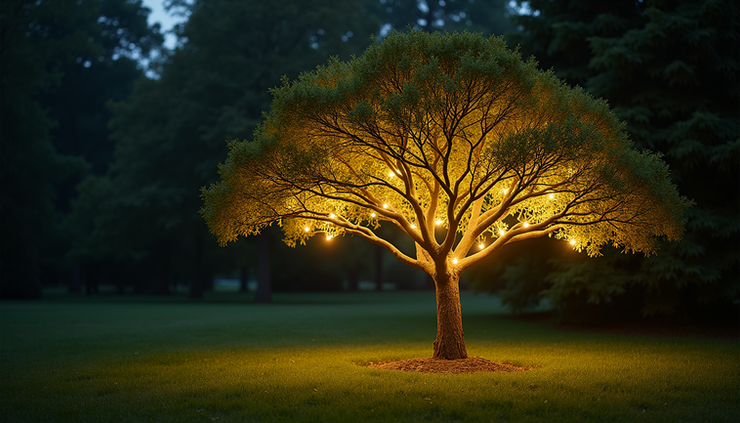
Ambient lighting provides a gentle, overall illumination that creates a warm and inviting atmosphere. This style is perfect for gardens where you want to relax or entertain casually. Examples include string lights draped over patios, lanterns hung from trees, or soft LED bulbs placed in planters. Ambient lighting works well to highlight the natural beauty of your garden without overpowering it.
Task Lighting
Task lighting focuses on specific areas where activities take place, such as seating areas, outdoor kitchens, or pathways. Bright, focused lights like spotlights or adjustable LED fixtures help you see clearly while cooking, reading, or walking. For example, installing lights along a stone path ensures safe footing, while a spotlight over a barbecue grill improves visibility for cooking.
Accent Lighting
Accent lighting highlights particular features in your garden, such as sculptures, water features, or unique plants. This style uses directional lights like uplights or downlights to create dramatic shadows and focal points. For instance, placing an uplight at the base of a tree can emphasize its shape and texture, adding depth to your garden’s nighttime look.
Decorative Lighting
Decorative lighting adds personality and charm to your garden. This includes fairy lights, lanterns, or colored LED lights that create a festive or whimsical feel. These lights are often used for special occasions but can also be part of your everyday garden design to add a touch of magic.
What You Need to Know Before Styling Your Garden Lighting
Assess Your Garden’s Layout and Features
Before choosing lighting styles, take a close look at your garden’s size, shape, and key features. Identify areas you want to highlight or make safer, such as steps, seating zones, or water elements. This assessment helps you decide where to place lights and which styles will work best.
Choose the Right Light Source
Garden lighting comes in various types, including solar, LED, halogen, and incandescent. Solar lights are easy to install and energy-efficient but may not provide strong illumination. LED lights offer bright, long-lasting light with low energy use. Halogen lights are bright but consume more power and generate heat. Consider your garden’s needs and energy preferences when selecting light sources.
Plan for Power Supply and Wiring
If you opt for wired lighting, plan the electrical layout carefully. Use outdoor-rated cables and waterproof connectors to ensure safety. For solar or battery-powered lights, check the battery life and charging requirements. Proper planning avoids costly repairs and ensures your lighting system works reliably.
Consider Light Color and Brightness
The color temperature of your lights affects the mood of your garden. Warm white lights (2700K to 3000K) create a cozy, inviting feel, while cool white lights (4000K to 5000K) offer a modern, crisp look. Avoid overly bright lights that can cause glare or disturb neighbors. Dimmable lights provide flexibility to adjust brightness according to the occasion.
Use Timers and Sensors
Timers and motion sensors add convenience and energy savings. Timers allow you to set lights to turn on and off automatically at specific times. Motion sensors activate lights only when movement is detected, enhancing security and reducing electricity use.
Practical Tips for Styling Your Garden Lighting
Layer your lighting: Combine ambient, task, and accent lighting to create depth and interest. For example, use string lights for general glow, spotlights for pathways, and uplights for trees.
Highlight focal points: Use accent lights to draw attention to your garden’s best features, such as a fountain or a flower bed.
Keep it subtle: Avoid harsh lighting that overwhelms the space. Soft, well-placed lights create a more natural and relaxing environment.
Protect your fixtures: Choose weatherproof and durable lighting fixtures designed for outdoor use to withstand rain, wind, and temperature changes.
Maintain your lights: Regularly clean and check your lighting system to ensure it stays bright and functional.


Comments